By SUPRIYA | January 19, 2025
Nandi, with his calm and patient presence, is not only Lord Shiva’s vahaan (vehicle), guardian, and closest confidant, but also embodies unwavering devotion and trust. Whispering to Nandi is not just an act of tradition—it reflects a bond between humans and animals that has existed for thousands of years, rooted in faith, love, and deep respect. But this sacred connection doesn’t stop with Nandi.
The cow, often called Gau Mata or "Mother Cow," has been revered for centuries as a living symbol of abundance and nurture. In ancient Indian texts, cows are described as treasures of the Earth. The Vedas call them Aghnya—those who must never be harmed—because they sustain life with their gifts. From milk to butter, yogurt to ghee, cows nourish not just the body but also the soul, playing an integral role in life’s everyday and spiritual aspects.
Kamadhenu—the "wish-fulfilling cow is one such cow." According to ancient scriptures, Kamadhenu emerged during the churning of the ocean (Samudra Manthan). She is said to embody all the gods and goddesses within her, radiating purity and prosperity. Kamadhenu’s story is a reminder of the limitless generosity of cows—they give endlessly, asking for nothing in return.
This idea of selfless giving is beautifully reflected in the life of Lord Krishna. As a child, Krishna spent his days in Vrindavan, herding cows and playing his flute. The cows adored him, enchanted by the melody of his music, and followed him wherever he went. Krishna’s relationship with the cows of Vrindavan was one of pure affection and care, a bond so tender and harmonious that it continues to inspire even today. To this day, his image as Gopal (the cowherd) represents the harmony that emerges when humans care for animals with devotion and respect.
Even Goddess Lakshmi, the deity of wealth and prosperity, is believed to reside within the cow. This belief has long made cows symbols of good fortune, and caring for them is seen as a way to invite blessings into one’s home. In rural India, feeding cows is considered a sacred act of service to the divine, a way to honor their pivotal role in sustaining life. The sacred status of cows extends far beyond geographical boundaries and divine associations.
In Ancient Egypt, cows held a sacred place, with the Cow Goddess Hathor being revered. Representing motherhood, femininity, and joy, she was believed to protect the land's fertility and offer support to women during childbirth.
Everything they offer is vital to life. Milk, ghee, butter, and yogurt are staples in countless households, while cow dung has been used for centuries as a natural fertilizer, disinfectant, and even as fuel. Ghee made from cow’s milk is also an essential offering in yagnas (fire rituals), where it is considered one of the purest substances. The cow’s every contribution reflects her role as a giver and sustainer, making her a living symbol of gratitude and selflessness.
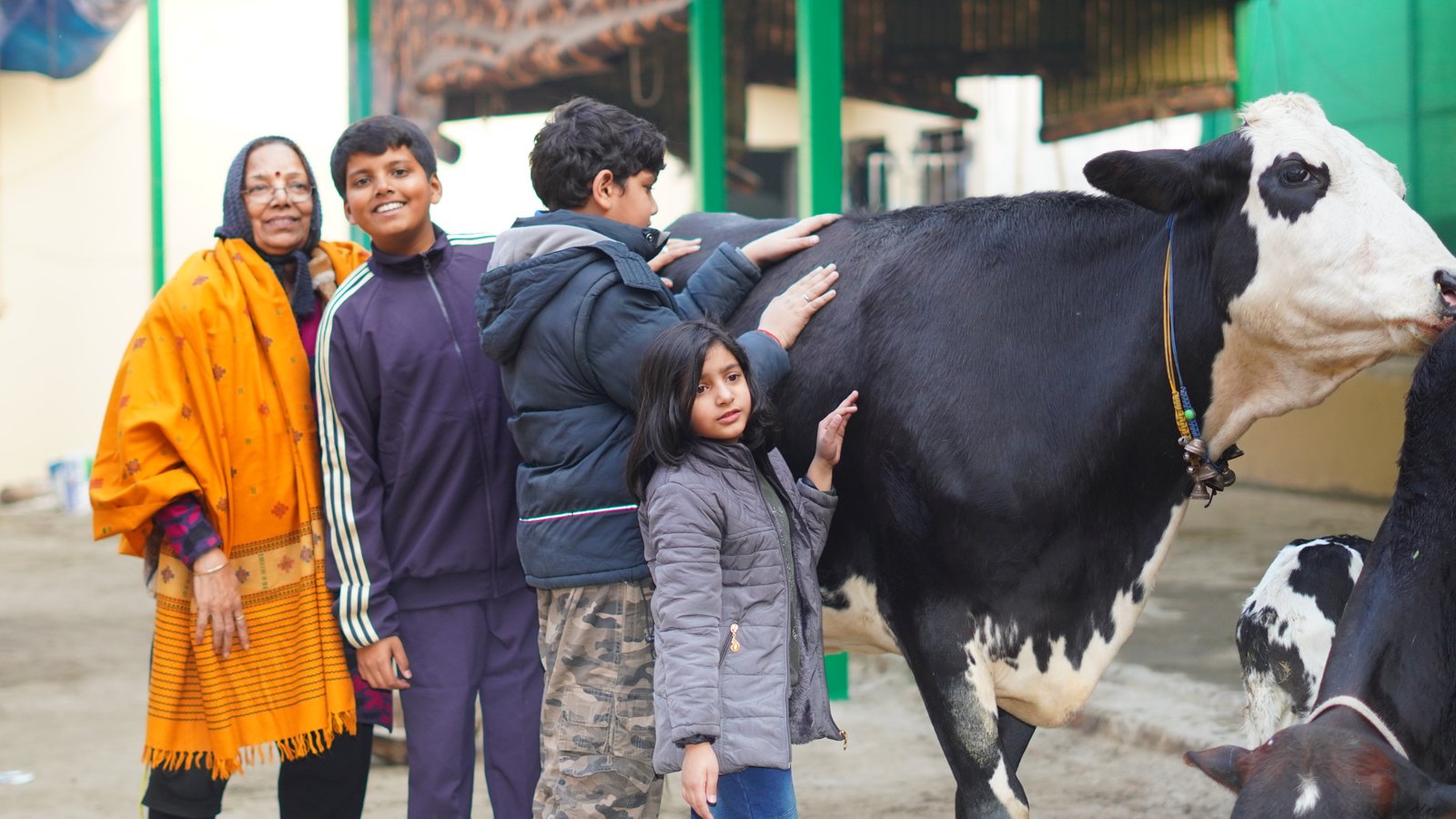
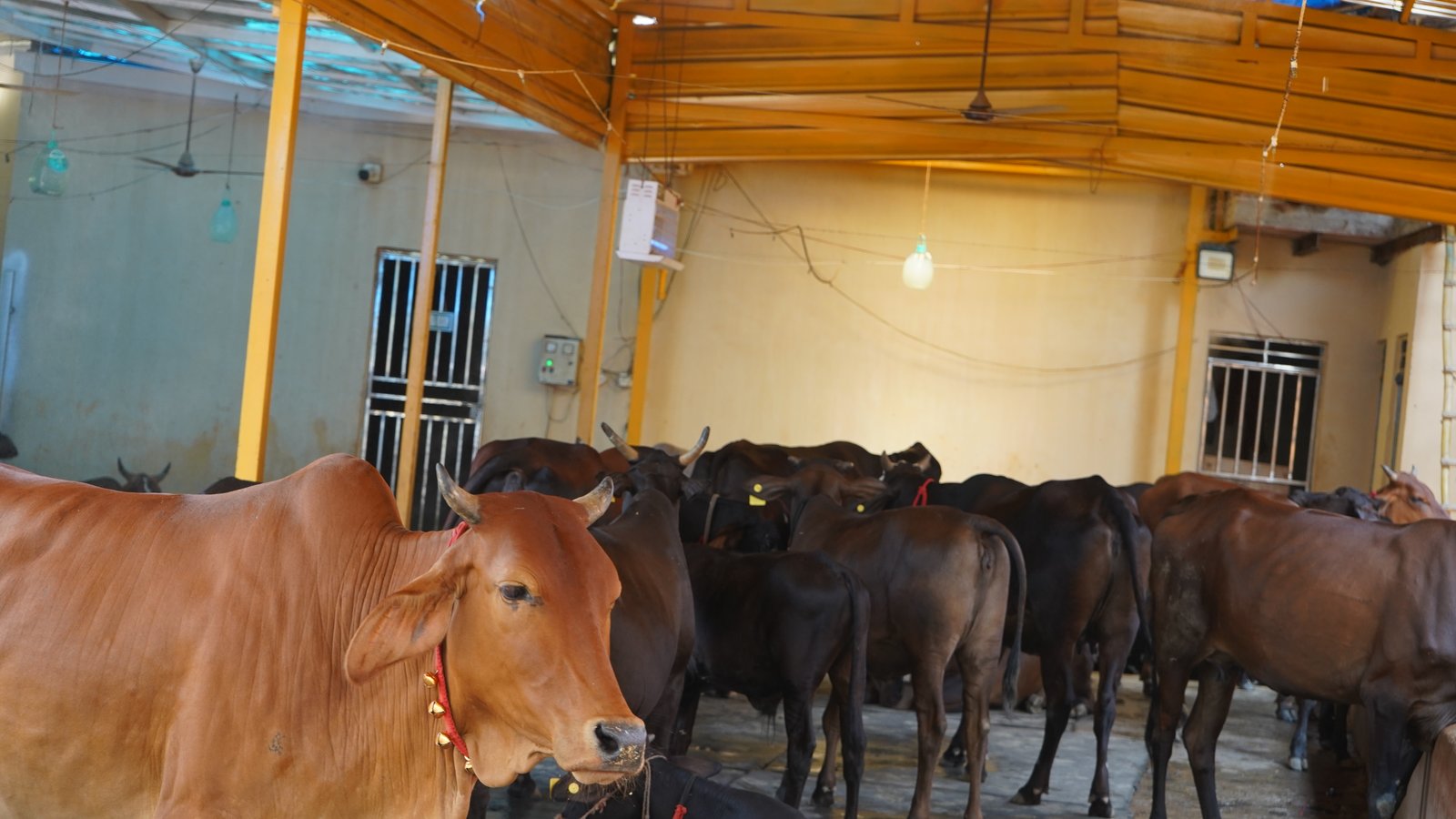
In today’s fast-paced world, where digital screens dominate and real-world connections often take a backseat, it is more important than ever for children to interact with these gentle beings. Spending time with cows teaches empathy, patience, and the value of nurturing bonds that go beyond the virtual world. These experiences foster a sense of grounding and help children appreciate life's interconnectedness—lessons often lost in an era of social media. Carrying forward this legacy of compassion, Krishna Surabhi Gaushala provides a space where this age-old bond between humans and cows continues to thrive.
Here, children and adults alike can reconnect with these gentle creatures, learning from their selflessness and experiencing the simple joys of coexistence. It’s more than a shelter—it’s a sanctuary for rediscovering the values of care, respect, and gratitude. So, the next time you see a cow grazing or visit a temple where Nandi sits, take a moment to reflect. These animals are more than just beings—they symbolize love, abundance, and the connection between humans and the divine. Offering them greens or fruits is a simple way to honor their timeless blessings.
Read more topic :
Subscribe to receive updates and exclusive content.
Copyright © 2024 Krishna Surabhi All Rights Reserved
Designed by Alitergrow.com